
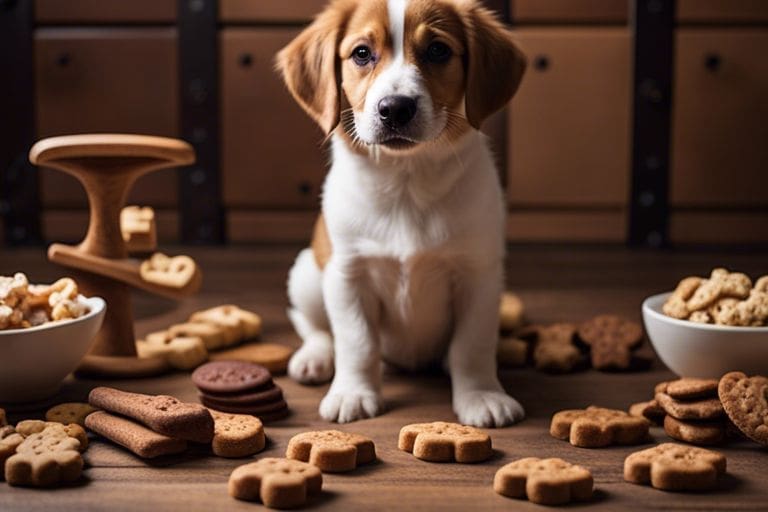
There’s no denying that choosing the right training treats for your dog is crucial for successful training sessions. Finding treats that are not only irresistible to your furry friend but also healthy and easy to portion is key. In this guide, we’ll walk you through the necessary factors to consider when picking the perfect training treats for your dog, so you can make the best choice for your canine companion.
Understanding Your Dog’s Needs
While choosing training treats for your dog, it is important to understand your furry friend’s specific needs. This includes considering any dietary restrictions, taste preferences, and health concerns they may have.
Identifying Your Dog’s Dietary Restrictions
Needs: Begin by identifying any dietary restrictions your dog may have. Some dogs may have food allergies or sensitivities to certain ingredients. If you notice any adverse reactions such as itching, digestive issues, or skin problems after feeding your dog a certain treat, it is important to consult with your veterinarian to determine if your dog has any dietary restrictions.
Determining Your Dog’s Taste Preferences
On top of dietary restrictions, it’s also important to consider your dog’s taste preferences when choosing training treats. Some dogs may prefer certain flavors or textures over others. You can observe your dog’s reaction to different treats to see what they enjoy the most. Experiment with a variety of treats to determine which ones are the most enticing for your furry friend.
This will help you choose training treats that not only cater to your dog’s dietary needs but also excite their taste buds and keep them motivated during training sessions.
Factors to Consider When Choosing Training Treats
Now that you’ve decided to train your dog using treats, it’s important to choose the right ones. There are several factors to consider when selecting training treats that will be effective and enjoyable for your furry friend.
Nutritional Value and Ingredients
- Assuming you want to reward your dog with healthy treats, it’s important to check the nutritional value and ingredients. Look for treats that are made with high-quality ingredients and are free from artificial colors, flavors, and preservatives. Opt for treats that are low in calories and fat to avoid overfeeding your dog during training sessions.
Size and Texture
- You should consider the size and texture of the training treats you choose. Small, bite-sized treats are ideal for training as they can be quickly consumed, allowing for fast reinforcement of good behavior. Additionally, soft and chewy treats are often preferred by dogs as they are easy to eat and digest, making them a great choice for training purposes.
When selecting training treats based on size and texture, it’s important to take into account the preferences of your dog. Some dogs may prefer crunchy treats, while others may enjoy softer ones. You know your dog best, so choose treats that will be most appealing and motivating for them during training sessions.
Shelf Life and Storage
- Anytime you purchase training treats, consider the shelf life and storage requirements. Choose treats that have a longer shelf life to ensure they remain fresh and tasty for an extended period. Proper storage is also crucial to maintain the quality of the treats, so make sure to store them in a cool, dry place away from direct sunlight.
In terms of shelf life and storage, keep in mind that some training treats may have specific storage instructions, such as refrigeration after opening. Be sure to read and follow the manufacturer’s recommendations to ensure the treats stay fresh and safe for your dog to consume.
Value
When selecting training treats for your dog, consider the overall value they offer. It’s not just about the price per bag but also the quality of the ingredients, the effectiveness in training, and how much your dog enjoys them. Finding a balance between value and quality will ensure you’re giving your dog the best training treats possible.
Tips for Selecting the Best Treats for Training
Despite the overwhelming array of training treats available in the market, not all treats are created equal. It’s vital to choose the right treats that will motivate your dog during training sessions. Here are some tips to help you select the perfect training treats for your furry friend:
-
Avoiding Fillers and By-Products
With so many options to choose from, it can be tempting to opt for inexpensive treats that are loaded with fillers and by-products. However, these ingredients offer little to no nutritional value and can be harmful to your dog’s health. Look for treats that list real meat or high-quality protein sources as the main ingredient.
Assume that treats containing corn, wheat, soy, and artificial additives are not the best choice for your dog. Opt for treats made with natural, wholesome ingredients that will support your dog’s overall well-being.
-
Choosing Treats with Single-Ingredient Sources
Treats that have a single-ingredient source, such as chicken, beef, or fish, are a great option for training. These treats are typically low in calories and easy to digest, making them ideal for rewarding your dog without overloading them with unnecessary calories.
Avoiding Fillers and By-Products
Choose treats that are free from fillers and by-products such as corn, wheat, soy, and artificial additives. Instead, opt for treats made with high-quality protein sources like real meat or fish.
Considering Your Dog’s Age and Breed
One important factor to consider when selecting training treats is your dog’s age and breed. Puppies may have different nutritional needs compared to senior dogs, and certain breeds may have sensitivities to specific ingredients. Consult with your veterinarian to determine the best treats for your dog based on their individual requirements.
Your
Your dog’s age, size, and breed are all important factors to consider when choosing treats for training. It’s vital to select treats that are not only tasty but also tailored to meet your dog’s specific dietary needs. By taking these factors into account, you can ensure that you are providing your loyal companion with the best possible rewards during training sessions.
To wrap up
To wrap up, choosing the perfect training treats for your dog requires a balance of factors such as size, taste, texture, and nutritional value. You should consider your dog’s preferences, dietary needs, and the type of training you are doing when selecting treats. Remember to choose treats that are easy to break into small pieces, appetizing for your dog, and made with high-quality ingredients to ensure they are both delicious and beneficial for training purposes. By taking the time to select the right training treats, you can enhance your dog’s learning experience and strengthen the bond between you and your furry companion.