
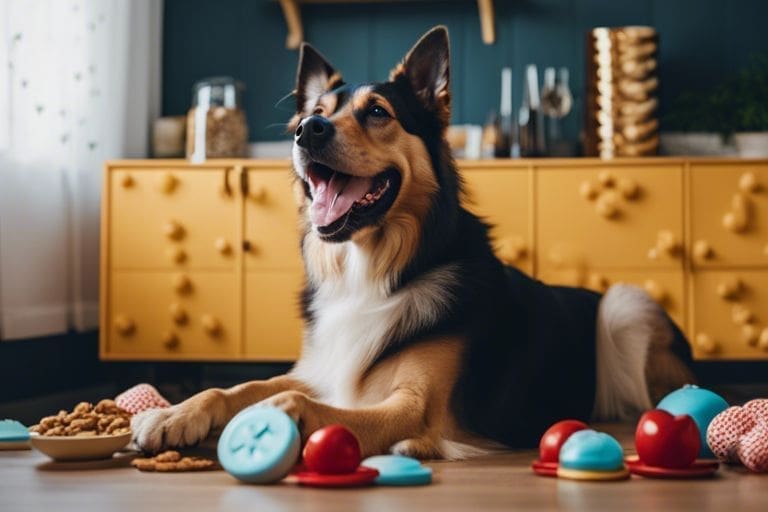
With your furry companion by your side for many years, it’s necessary to prioritize their health and happiness as they grow older. Just like humans, senior dogs have specific needs that require extra care and attention. In this informative blog post, discover the importance of senior health treats in maintaining your older dog’s well-being and overall quality of life. Learn about the key ingredients to look for, homemade treat recipes, and tips on incorporating these special snacks into your dog’s daily routine.
Nutrition for Senior Dogs
A balanced diet plays a crucial role in keeping your older dog healthy and happy. As your dog ages, their nutritional needs may change, and it’s necessary to provide them with a diet that meets these changing requirements. A balanced diet for senior dogs should include a mix of high-quality protein, healthy fats, carbohydrates, vitamins, and minerals to support their overall health and well-being.
The Importance of a Balanced Diet
Ensuring your senior dog receives a balanced diet is vital for maintaining their energy levels, promoting proper digestion, and supporting their immune system. A well-balanced diet can also help manage weight and prevent obesity, which is especially important as dogs age and become less active. By feeding your older dog a nutritious and balanced diet, you can help them stay healthy and vibrant in their golden years.
Common Nutritional Deficiencies in Older Dogs
With age, older dogs may be more prone to certain nutritional deficiencies that can impact their overall health. Common deficiencies in senior dogs include inadequate levels of necessary nutrients such as omega-3 fatty acids, vitamins E and B12, and minerals like calcium and phosphorus. These deficiencies can lead to issues such as joint pain, cognitive decline, poor skin and coat health, and weakened immune function.
Diet plays a significant role in addressing these deficiencies and supporting your older dog’s health. Providing a well-rounded diet that includes nutrient-rich ingredients specifically tailored to senior dogs can help ensure they receive the necessary vitamins and minerals they need to thrive in their later years.
Exercise and Physical Activity
Assuming you have an older dog, it’s imperative to maintain a regular exercise routine to keep them healthy and happy. While your senior pup may not have the same energy levels as before, gentle exercises tailored to their needs can still provide numerous benefits.
Gentle Exercises for Senior Dogs
Any form of low-impact exercise such as short walks, swimming, or gentle play sessions can help keep your senior dog active. These activities can help maintain muscle mass, improve flexibility, and promote better circulation, all of which are crucial for your older dog’s overall well-being. Just remember to adjust the duration and intensity of the exercise to match your dog’s capabilities.
Managing Arthritis and Mobility Issues
Dogs can develop arthritis and other mobility issues as they age, making it important to adapt their exercise routine accordingly. If your senior dog has arthritis, you can still keep them physically active with activities like indoor games, slow walks, or even hydrotherapy sessions. It’s imperative to consult with your veterinarian to create a suitable exercise plan that considers your dog’s health conditions and limitations.
With the right balance of exercise and care, you can help your senior dog stay fit and happy for years to come. Bear in mind, every dog is different, so be observant of your dog’s behavior and adjust their exercise routine as needed to ensure their comfort and well-being.
Health Check-Ups and Preventative Care
Even though your senior dog may seem healthy and happy, it’s important to prioritize their health by scheduling regular veterinary check-ups. These routine visits can help catch any potential health issues early on, allowing for prompt treatment and a better prognosis.
Regular Veterinary Check-Ups
Health check-ups for your older dog should ideally be scheduled at least once a year. During these visits, the vet will conduct a thorough physical examination, check your dog’s weight, monitor vital signs, and may recommend additional tests such as blood work or urine analysis. These check-ups are important for detecting age-related conditions like arthritis, dental issues, or organ dysfunction in their early stages.
Vaccinations and Preventative Medications
An important aspect of preventative care for your senior dog is staying up to date on vaccinations and preventative medications. Even though senior dogs may not need as many vaccinations as puppies, they still require certain vaccines to protect them from diseases. Your vet may also recommend preventative medications for issues such as heartworm, fleas, ticks, and other parasites that can impact your older dog’s health.
Understanding the vaccination schedule and which preventative medications are necessary for your senior dog is crucial in maintaining their overall well-being. Be sure to follow your vet’s recommendations and ask any questions you may have about the importance of these preventative measures for your older canine companion.
Mental and Emotional Well-being
All dogs, regardless of age, can experience stress and anxiety. However, as your dog grows older, they may become more sensitive to changes in their environment or daily routine. To help reduce stress and anxiety in your senior dog, it’s vital to maintain a consistent schedule and provide a calm and comforting environment. Ensuring that your older dog has a quiet and safe space where they can retreat to when they feel overwhelmed can also help alleviate their stress levels.
Reducing Stress and Anxiety
An important aspect of maintaining your senior dog’s mental and emotional well-being is to be mindful of any changes that may cause them anxiety. This could include loud noises, unfamiliar visitors, or even changes in their living arrangements. By recognizing these stressors and taking steps to minimize them, you can help your older dog feel more secure and at ease in their surroundings.
Providing Mental Stimulation and Engagement
Any age-appropriate activities that engage your senior dog’s mind can help promote their mental well-being. Puzzle toys, gentle training exercises, or interactive games can provide your older dog with mental stimulation and prevent boredom. Additionally, incorporating short and enjoyable walks into their routine can help keep their mind active and their spirits high.
Regular mental stimulation is crucial for senior dogs to maintain cognitive function and prevent mental decline. Engaging your older dog in various activities not only keeps their brain active but also strengthens the bond between you and your furry companion.
Anxiety
If you notice signs of anxiety in your senior dog, such as excessive panting, pacing, or withdrawal, it’s vital to consult with your veterinarian. They can help determine the underlying cause of your dog’s anxiety and recommend appropriate interventions, which may include behavior modification techniques, supplements, or medications. Addressing your senior dog’s anxiety promptly can significantly improve their quality of life and overall well-being.
Final Words
Summing up, senior health treats can play a crucial role in keeping your older dog healthy and happy. By providing nutritional supplements, joint support, dental health benefits, and tasty treats, you can improve your pet’s quality of life in their golden years. Remember to consult with your veterinarian to ensure you are choosing the best treats for your dog’s specific needs and health conditions. With a little extra care and attention to their diet, you can help your senior dog stay active, comfortable, and content as they age.